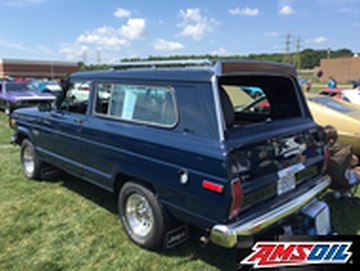
Engine Lubrication and Maintenance for the 1981 Jeep SCRAMBLER 4.2L
Maintaining a vehicle like the 1981 Jeep SCRAMBLER requires a disciplined approach to routine service, particularly regarding the lubrication of the 4.2L engine. Because these vehicles are often subject to varying operating conditions and may have undergone various stages of ownership, staying proactive with engine oil maintenance is essential for long-term mechanical health.
Monitoring Fluid Integrity and Potential Leaks
One of the most effective ways to monitor the condition of a 1981 Jeep SCRAMBLER 4.2L is through regular visual inspections of the engine bay and undercarriage. Over time, various components can experience changes in their ability to hold fluids securely. When performing routine checks, look for any signs of seepage or active leakage around sealing surfaces and gaskets. Even small amounts of oil residue can indicate that a seal is beginning to age or that a component requires attention.
If you notice fresh fluid accumulating on the engine block or dripping onto the ground after the vehicle has been parked, it warrants further investigation. It is important to remember that such observations do not necessarily point to a single specific failure; rather, they serve as indicators that certain areas of the lubrication system should be inspected more closely. Additionally, checking the appearance of the oil itself can provide clues. If the lubricant appears excessively dark or contains visible particulates, it may suggest that the interval between service changes needs to be reviewed.
Managing Maintenance Records and Service History
For owners of a 1981 Jeep SCRAMBLER, establishing a clear maintenance baseline is highly beneficial, especially if the vehicle's full history is not known. If you have recently acquired this vehicle, your first priority should be to document its current state. Reviewing any available service records can help identify when major components were last addressed and whether consistent lubrication practices were followed in the past.
In cases where documentation is incomplete, creating a new log of all completed repairs, fluid changes, and inspections is a practical way to manage future needs. This record-keeping allows you to distinguish between routine preventive maintenance and more significant repairs. By tracking observations—such as how much oil the engine consumes over a specific period or any changes in how the engine sounds during operation—you can make more informed decisions about when to transition from standard service to more intensive mechanical attention.
Observing Changes in Engine Operation
Beyond visual inspections, paying close attention to how the 4.2L engine behaves during daily use is a vital part of ownership. While many mechanical issues are not immediately obvious, certain symptoms can serve as early warning signs that something requires investigation. For example, if you notice an unusual odor while the engine is running, it may indicate that oil is contacting a hot surface. Similarly, any changes in the sound of the engine during startup or steady operation should be noted.
It is also useful to monitor for any unexpected exhaust characteristics. While different driving conditions can affect exhaust appearance, significant or unusual smoke can sometimes be associated with internal engine processes that warrant professional inspection. Always approach these symptoms as indicators rather than definitive diagnoses; they are signals that the vehicle's current condition should be evaluated to prevent more complex issues from developing later.
Prioritizing Service Tasks Based on Condition
As a 1981 Jeep SCRAMBLER ages, maintenance priorities may shift. Rather than following a rigid schedule based solely on the age of the vehicle, it is often more effective to prioritize tasks based on the actual, observed condition of the engine and its components. This means addressing active leaks or visible signs of wear before moving on to purely preventive measures.
If you identify an area of concern—such as a hose that appears brittle or an electrical connection that shows signs of corrosion—addressing these items early can help maintain the overall integrity of the vehicle's systems. This condition-based approach ensures that your maintenance efforts are directed where they are most needed, helping to manage the costs and effort associated with keeping a classic 4.2L engine in good working order.
Inspecting Auxiliary Components
During an oil service or general inspection, it is also prudent to look at other components that support the engine's operation. If equipped, inspect accessible drive belts for signs of deterioration such as cracking, glazing, or fraying. Similarly, if the vehicle is present with various hoses and cooling-system components, check them for any signs of softening, swelling, or leaks. Maintaining these peripheral systems ensures that the environment in which the engine operates remains stable, which indirectly supports the effectiveness of your lubrication strategy.
Practical Guidance for BUYING ENGINE OIL for your 1981 Jeep SCRAMBLER 4.2L
When it is time to replenish the lubricant in your 1981 Jeep SCRAMBLER 4.2L, the most important step is to ensure that the product you select matches the specific requirements of your engine. Because different formulations offer different properties, such as varying levels of oxidation resistance or deposit control, you should choose a product that aligns with the application-specific information provided on this page.
Before making a purchase, carefully review the product labeling to confirm it meets the necessary standards for your vehicle. You may encounter various options, including conventional oils, synthetic blends, or full synthetic formulations. Some high-mileage oil formulations also contain additives intended for use in aging engines, including seal-conditioning additives. However, rather than making assumptions based on the age of the vehicle or general automotive trends, always match the engine oil to the application-specific viscosity and service information displayed above. This ensures that the lubricant provides the appropriate level of protection for your specific 4.2L engine configuration.